The Changing Definition of Luxury Residential Living
Category:
Insights
LUXURY IS MOVING BEYOND THE AMENITY LIST
The geography of luxury is changing. More than half of branded residence schemes are now outside major cities, compared with fewer than four in ten a decade ago. At the same time, lifestyle destinations are increasingly achieving pricing comparable with established urban markets. This reflects a broader change in what buyers value. The quality of the lifestyle and experience surrounding a property is becoming just as important as the property itself.
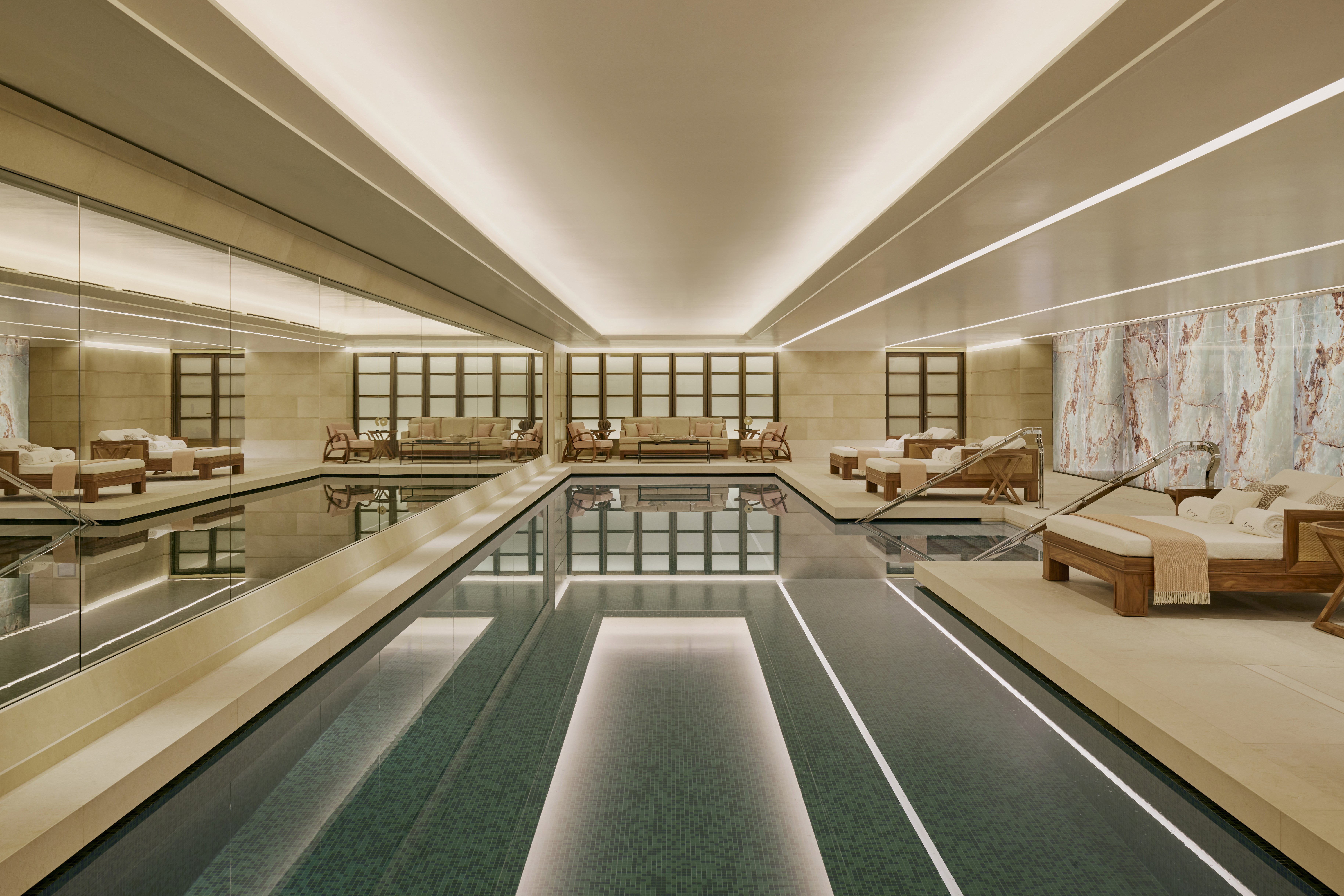
Many of the amenities once considered differentiators have also become expected. A spa, residents’ lounge, private dining room or wellness suite may help establish the proposition, but their presence alone does not create an exceptional residential experience. For Rhodium, the opportunity lies in how these spaces are operated, programmed and brought into residents’ everyday lives. Service, atmosphere and attention to detail turn physical amenities into meaningful experiences. The building provides the infrastructure, but operations bring it to life.
WELLNESS BECOMES PART OF THE OPERATING MODEL
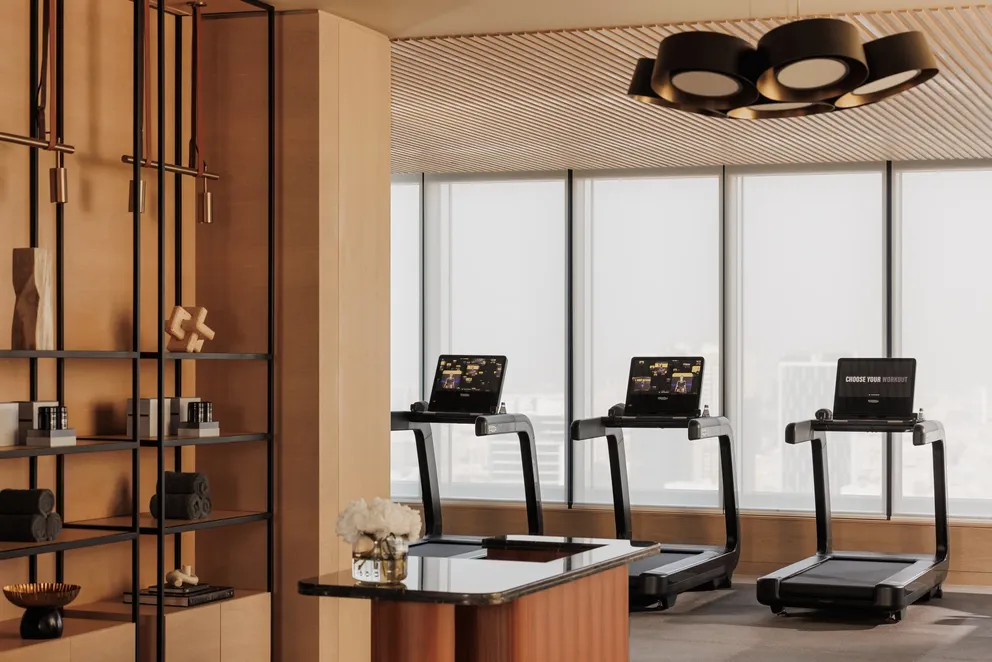
Knight Frank describes wellness as moving from an amenity towards infrastructure, with concepts including longevity clinics, hyperbaric oxygen therapy, cryotherapy, sound healing and biohacking entering the residential environment. This demonstrates how quickly expectations are evolving, particularly at the highest end of the market.
For Rhodium, the opportunity goes beyond installing increasingly sophisticated facilities. Wellness needs to become part of the everyday operation of a residence, connecting spaces, specialists, programming and service around the individual resident. The most successful developments will understand how residents actually use these facilities and adapt the experience accordingly. The future of residential wellness will therefore be defined less by the amount of equipment available and more by how intelligently it is integrated into daily life.

MORE BRANDS MEANS GREATER PRESSURE ON OPERATIONS
Hotel groups remain the largest force in branded residences, but Knight Frank expects non hotel brands to represent almost 40% of supply by 2028, as fashion, automotive and lifestyle names continue to enter the sector. This brings new ideas and powerful identities into residential development, but it also raises expectations around how those brands are experienced after completion.
For developers, a recognised brand can create immediate awareness and a compelling proposition, but residential ownership is very different from purchasing a product or staying in a hotel. A brand promise in a residence has to be delivered every day, often for decades. Service standards, staffing, resident communication, preventative maintenance and the quality of thousands of everyday interactions ultimately determine whether the experience lives up to the name above the door. Brand creates the expectation, but operations deliver it.

THE NEW SCARCITY IS HUMAN
Perhaps the report’s most compelling idea is what Knight Frank calls “the new scarcity.” As physical amenities become increasingly standardised, value is shifting towards place, provenance, judgement and human connection. This closely reflects Rhodium’s experience of operating at the highest end of the residential market, where the details that residents remember are often not physical at all.
Technology will play an increasingly important role in supporting this level of service. It can help teams retain preferences, coordinate activity, reduce administration and make better information available at the right moment. But its purpose should be to make hospitality more human, not less. Discretion, anticipation, judgement, empathy and genuine relationships remain difficult to automate and are often what distinguish exceptional service from efficient service.
For Rhodium, the principle is simple: automate the administration, not the hospitality. As the luxury residential sector expands, exceptional buildings and sophisticated amenities will become more plentiful. The ability to operate them with consistency, intelligence and genuine human understanding will remain much harder to replicate. Increasingly, that is where the real value lies.
Source: Knight Frank, The Residence Report 2026/27
More news & insights