Operating for the Long Term: A Conversation with Director Richard Petrik
Category:
Interviews
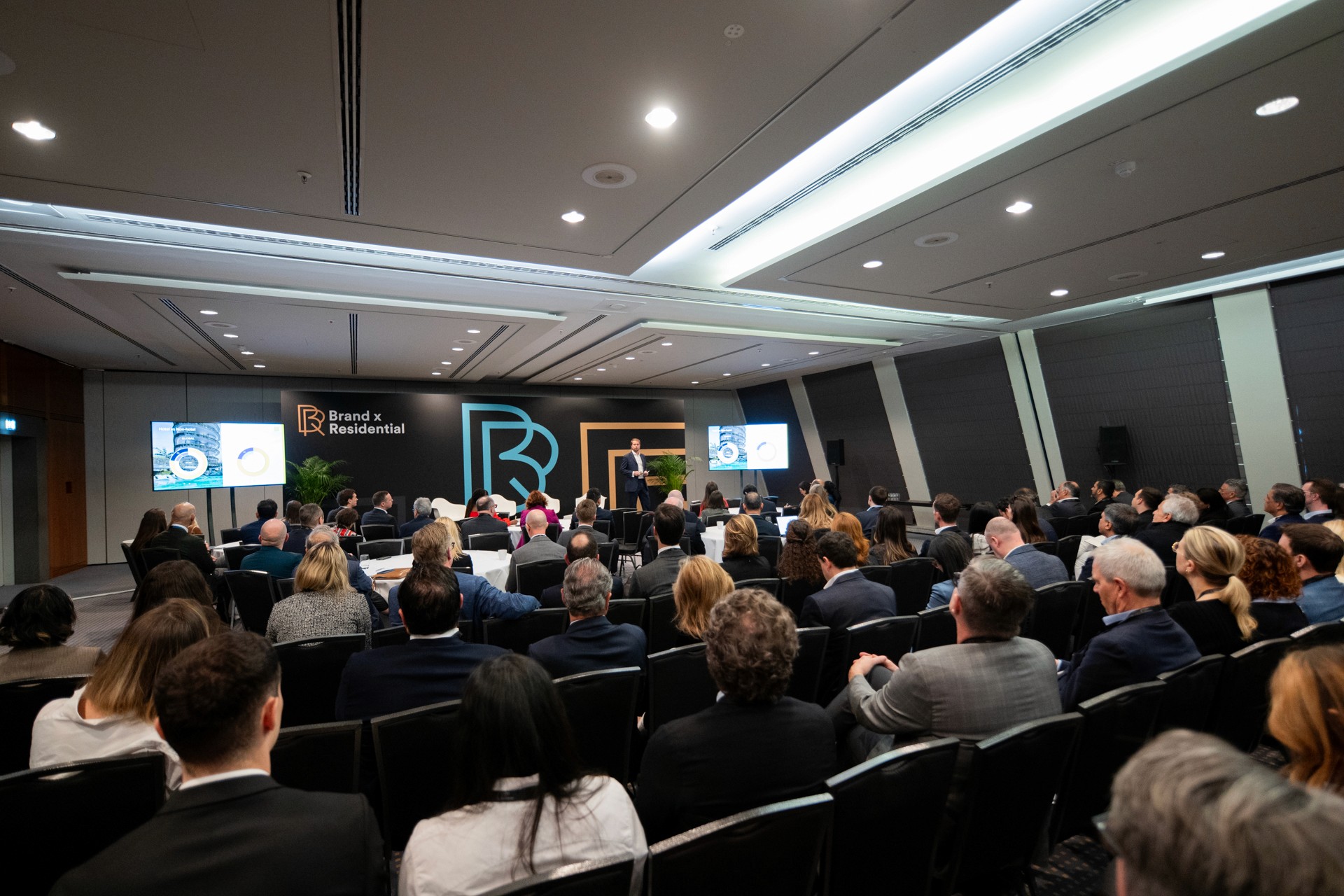
Last month at the International Hospitality Investment Forum 2026 (IHIF EMEA) in Berlin, Richard Petrik, Director at Rhodium, led a discussion on managing and optimising branded residences. Drawing on Rhodium’s extensive experience delivering performance and value across some of the world’s finest luxury residential developments, Richard shared his insights into what it takes to make these projects thrive - not just at launch, but for years to come. He challenged the idea that operational involvement is only an end-stage process, showing instead how it can and should be considered from the very outset.
Your session focused on running and optimising branded residences once they’re open. Is that where the story really begins?
Not quite. If operators are expected to take responsibility for the next 25 years or so, they need to be part of the journey from the very beginning. You can’t expect long-term accountability without early-stage integration.
Why is early operator involvement so critical?
Because designing for operation is fundamentally different from designing for aesthetics alone. You don’t tailor a suit without the person it’s made for. The same principal applies here. Operational insight needs to inform development decisions from day one.
Has this always been the industry mindset?
Far from it. At Rhodium, we started as pure operators focused on super-prime residential developments in London. For years, developers struggled to understand the value proposition of engaging us early enough. There was a consistent belief that operations could be layered on at the end. Experience shows otherwise.
What are the risks of leaving operators out of the early stages?
They’re tangible - and costly. You see inaccessible infrastructure requiring retrospective-fixes, space allocation which doesn’t fit the operational model, and ultimately frustrated residents. The building and the interiors may look exceptional, but if it doesn’t function seamlessly, value begins to erode alongside brand equity and reputation.
Can operational models simply be replicated across locations?
No. What works in London won’t necessarily work in Miami or Dubai. Operations are deeply contextual - climate, culture, resident expectations, and infrastructure all play a role. Without that understanding embedded early, the end product suffers. We put a challenge to ourselves at each stage – ‘If you removed the logo, would you know which brand is represented?’. The risk is scaling too quickly and applying a one-size fits all model. Those that show restraint and protect their brand value will be most successful in this sector.
So when should operators be brought in?
In my view, it’s never too early. Not to run the building, but to inform it. Early collaboration leads to better design outcomes, curation of clear development identity and fosters a genuine sense of ownership among those who will ultimately manage the asset.
Are you seeing any shifts in how the industry approaches this?
Yes, and it’s encouraging. Leading architects are now partnering with experts like Rhodium at the concept stage. Even new entrants into branded residences - such as luxury brands with strong heritage - are asking more forward-looking questions: how will this asset perform and feel in 10 or 20 years? We now have brands approaching us as they prepare to enter the sector, asking us to act as their lead advisor and partner. Our role is to help ensure their long-term success, ultimately as their brand guardian.
How do you think success should be measured in branded residential operations?
It is operational excellence that will protect value over time. You don’t lose value at launch -you lose it gradually, through inefficiencies and poor resident experience. I’m a firm believer that live buildings can be used by both developers and brands as their number one sales asset for current and future projects.
What’s your key takeaway for developers and brands?
If you’re designing for a 25-year lifecycle, why wouldn’t you design alongside the people who will live and manage that lifecycle every day? The real conversation isn’t just when to involve operators - it’s how to fully integrate them into the vision and measure their long-term impact.
More news & insights


